Research
International macroeconomics and finance, energy and geoeconomics, and time-series econometrics.
Working papers
-
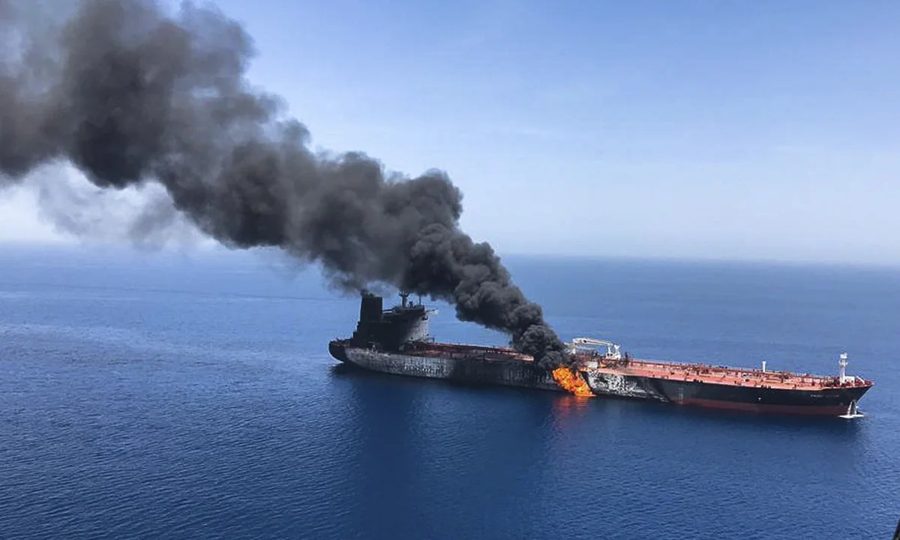
Oil Shipping and PiratesThe Macroeconomic Effects of Oil Tanker Attacks
This paper studies the macroeconomic effects of attacks on oil tankers. We identify oil-shipping-cost shocks by combining a narrative record of attacks on oil tankers along key routes in the Middle East and Southeast Asia with high-frequency changes in tanker freight rates. Focusing on the period following the U.S. shale expansion, we find that these shocks lower economic activity and raise consumer prices in both the United States and the world economy. These responses differ from those associated with conventional oil supply shocks and disruptions to dry-bulk shipping. Especially, crude production and oil prices show no significant immediate response, while inventories decline. Moreover, U.S. evidence points to an energy-trade channel, with increased congestion at Middle Eastern ports, lower crude imports and refinery inputs, leading to higher fuel prices. We also document that manufacturing orders and shipments fall immediately, consistent with precautionary adjustments in firms’ purchases and investment plans. These findings, together with the contraction in global activity, suggest that oil-shipping disruptions can hurt both oil-importing and oil-exporting economies.
Keywords: oil shipping, piracy, high-frequency identification, proxy SVAR, energy security. JEL: E31, E32, F51, Q41, Q43.
Presented at
- 2026University of Lausanne Research Days, ETH Zurich (scheduled)
Work in progress
-
The role of latent and observed factors in FAVAR processes
-
Small open economy structural dynamic factor model with data scarcity
Policy work
-
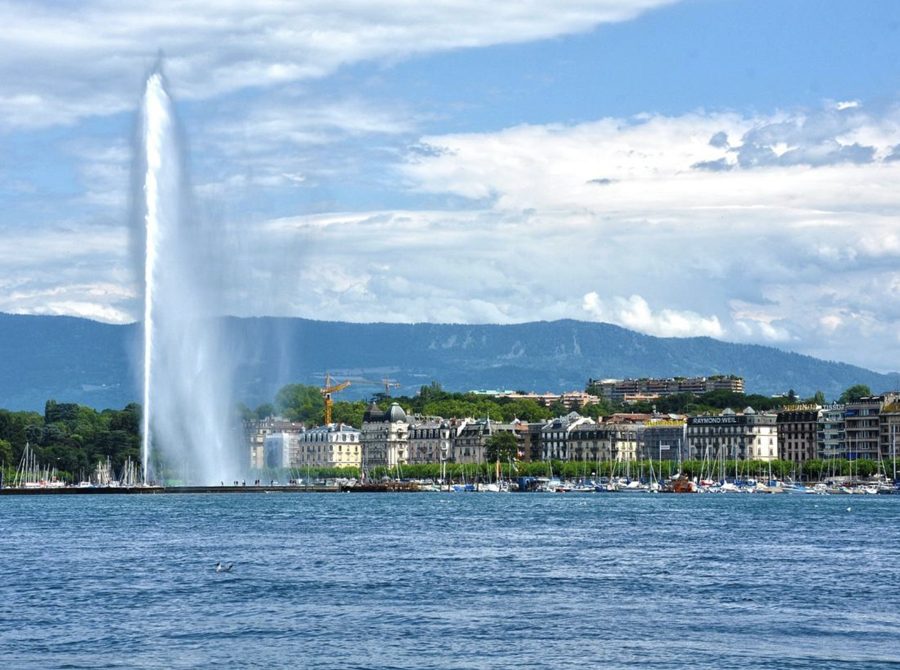
Genève est-il un canton attractif ?Une analyse économique sous l’angle de cinq thématiques
Cette étude analyse l’attractivité du canton de Genève sous l’angle des finances publiques, de la fiscalité, de l’innovation, de la durabilité et des infrastructures. L’attractivité est mesurée par un grand nombre d’indicateurs économiques et à l’aide d’outils macroéconométriques, et comparée à celle des concurrents directs à l’échelle nationale (Vaud, Zoug, Zurich et Bâle).